Finding out you have a diminished ovarian reserve (DOR) – or even wondering if you have DOR before testing – can feel stressful.
But what does it really mean and how does it affect your chances of pregnancy success? We’ll answer that and a lot more in this post, so stick around!
Diminished ovarian reserve may sound scary, but it just means the number of eggs in your ovaries is less than average for a person of your age. Women are born with 1-2 million eggs, but this number decreases faster with age. By age 40, the average person has 25,000 remaining.
Just because your quantity of your eggs may be lower than average doesn’t mean the quality is lower. You could have a diminished ovarian reserve, but your eggs might be higher quality than someone with more eggs.
The important thing to remember is that DOR does not equal infertility. After all, you only need one egg to get pregnant.
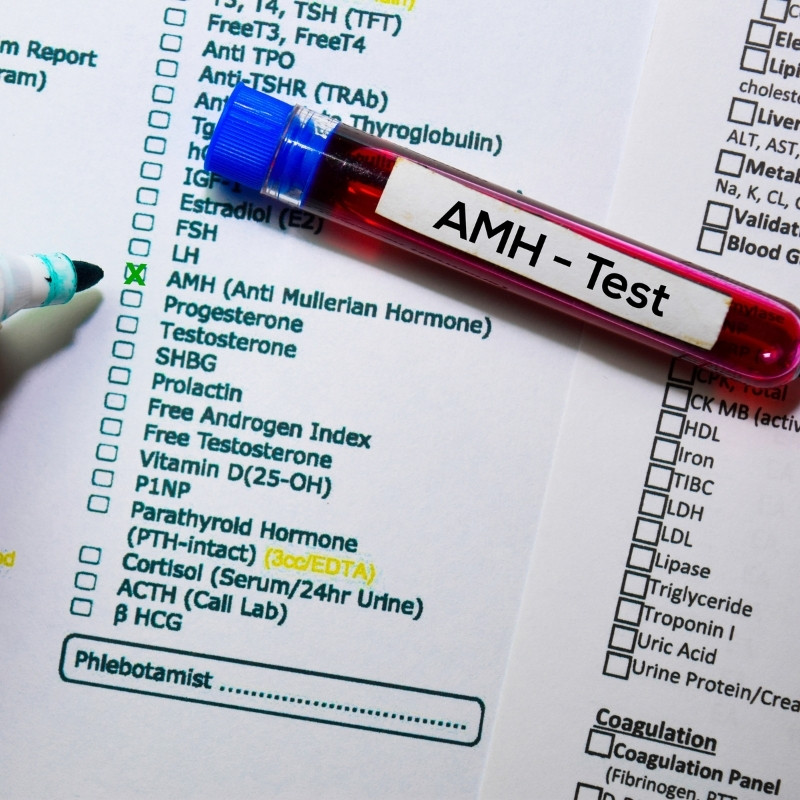
There are several simple tests that help determine your ovarian reserve, typically testing for AMH, AFC, and FSH.
One of the first steps when assessing fertility is measuring your Anti-Mullerian Horomone (AMH) levels. The level of this hormone in your body is an indicator of your ovarian reserve. A higher AMH means a larger quantity of eggs.
Low AMH levels on their own can’t predict IVF failure or even infertility. Again, this is an indicator of egg quantity, not quality.
Can You Increase AMH Levels?
You might be wondering how to increase AMH levels. We have limited control over AMH levels and typically cannot increase them significantly. Since there is no way for the human body to produce more eggs than we start with, AMH is more of a gauge to assess the current status of your ovarian reserve.
However, some simple lifestyle changes that we outline later can improve IVF and pregnancy outcomes.
Antral follicle count (AFC) is another indicator of ovarian reserve and a common test for those considering IVF. The test is performed with ultrasound, counting small follicles in the ovaries.
AFC can vary widely from one person to the next, due to age and underlying conditions. It is generally higher in younger women and declines with age. You can see the range of normal follicle count by age in the chart below, from a 2011 study:

Follicle-Stimulating Hormone (FSH) is another blood test that helps understand your ovarian reserve and assess fertility. Concern around elevated FSH levels is very common as it can be a sign of a reduced ovarian reserve and potentially the beginning of perimenopause.
However, FSH levels fluctuate a lot and is not a reliable indicator on its own (jokingly referred to as “Fluctuating Severely Hormone”). For example, it is a poor early indicator of reduced ovarian reserve – by the time the reading is accurate, the ovarian reserve is already very low. Therefore, it is typically assessed alongside AMH and AFC.
Beyond the natural age-related decline of one’s ovarian reserve, there are several internal and external factors that can contribute to DOR:
Internal
· Some autoimmune diseases regulate hormones related to ovarian reserve such as AFC and AMH
· Certain vaginal microflora can impact ovarian reserve
· The balance of proteins, fatty acids, amino acids and other follicular fluids have an influence
External
· Environmental conditions like pollution and exposure to certain compounds
· Psychological factors, including depression and stress
· Professional factors such as manual labor
· The use of contraceptives can reduce AMH and FSH
Genetics and intensive or invasive treatments like chemotherapy or ovarian surgery can also contribute to DOR.
Testing can be costly and time-consuming, so it’s natural to look for obvious low egg reserve symptoms. Unfortunately, it’s not that simple – DOR is often asymptomatic.
That said, irregular or shorter menstrual cycles can be indicators of a diminished ovarian reserve – but these are far from conclusive signs. To truly understand your ovarian reserve, testing is necessary.
Let’s say you’ve gone through testing and are diagnosed with diminished ovarian reserve. Is this the end of your childbearing dreams? While DOR can make getting pregnant harder, the more important factor is egg quality.
A high-quality egg is more likely to yield a high-quality embryo when fertilized. A high-quality embryo is more likely to develop into a healthy blastocyst. And a healthy blastocyst is more likely to implant successfully and lead to healthy pregnancy. Quality eggs do not always yield quality embryos, but they are an important factor.
To put it simply, one high-quality egg from a person with DOR has a higher chance of leading to a successful implantation and pregnancy than a lower-quality egg from someone without DOR.


Egg quality is a major contributing factor to IVF outcomes. What starts with the egg then influences the embryo, so understanding both egg and embryo quality is important for increases your chances of IVF success.
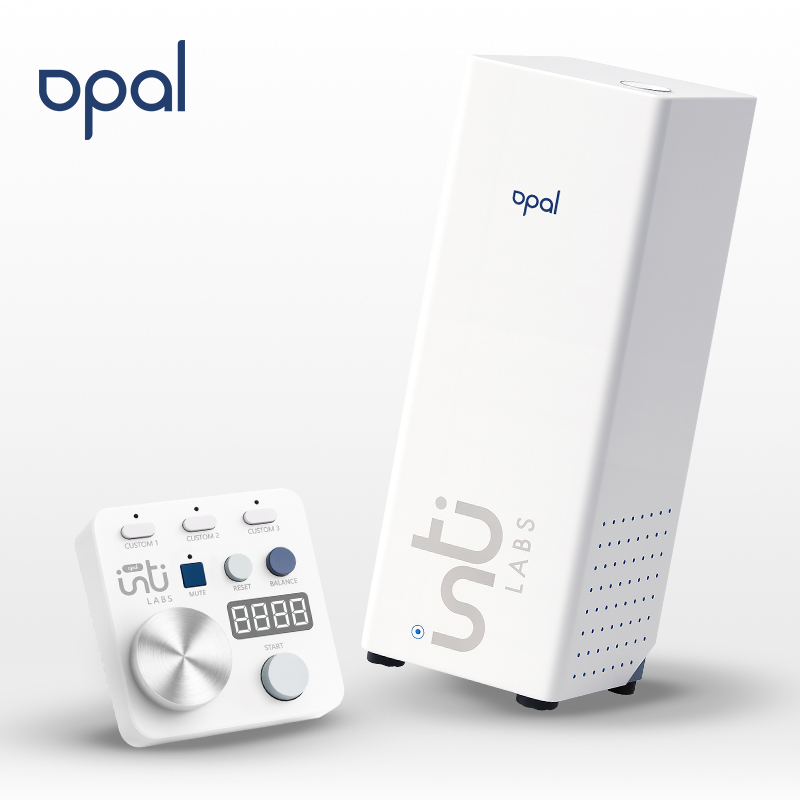
Testing for egg quality has traditionally been based on imaging and the assessment of the embryologist. While the embryologist’s experience is invaluable, it is subjective and this has never been a reliable solution. It’s like judging how ripe a peach is from appearance alone – it might look perfect on the outside, but then you pick it up and it’s hard as a rock.
However, newer technologies like the Opal Egg Quality Test are able to more consistently predict egg quality. Opal uses a gentle pressure assessment in addition to imaging to better predict its likelihood to develop into a healthy blastocyst and implant successfully during IVF.
Of course the egg isn’t the end of the story. A lot happens once the egg is fertilized, and this is where PGT-A testing [WILL LINK TO PGT-A/TRIPLOIDY POST] comes in. PGT-A has become a standard practice for patients doing a frozen embryo transfer (FET) during their IVF cycle.
A comprehensive test like Pixl Next Generation PGT-A can confirm that a quality egg tested by Opal has not developed any abnormalities after being fertilized.
Learn More about PixlA chemical pregnancy occurs when an embryo implants successfully and produces detectable levels of hCG, but the pregnancy is lost before it is visible on ultrasound.
You may be wondering if a low egg quality can be a cause of chemical pregnancy. The short answer is yes – it may not be the only cause but egg quality can be a major factor. Aneuploidy is mostly linked to errors during the maturation of eggs. Once fertilized, the embryo can successfully implant, but then fail early due to various issues:
· Chromosomal issues with the embryo
· Hormonal support issues
· Endometrial receptivity timing (e.g. displaced window of implantation)
Embryos that have gone through PGT-A testing have a significantly lower rate of chemical pregnancy.

If you’ve experienced repeated losses due to chemical pregnancy, even with PGT-A, it may be a sign of other underlying issues. While a single chemical pregnancy is not uncommon, if it keeps happening there are likely tests and treatments to reduce the risk in the future.
The best thing to do is consult with your fertility specialist. They can provide an evaluation and develop a personalized plan for moving forward.
A chemical pregnancy can be emotionally devastating, but most women who experience an early pregnancy loss go on to having healthy pregnancies after. Often (but not always) it is a positive sign of the ability for an embryo to implant in the uterus.
PGT-A testing, and even endometrial receptivity testing, can optimize your chances in later pregnancies.
Reversing DOR isn’t possible, but you can take proactive steps to improve the quality of the eggs in your ovarian reserve.
The following are a few evidence-based strategies, but keep in mind that it can take time – egg development cycles are typically 3 months, so it can take that long for these methods to have an impact.
If you want to know how to improve egg quality for IVF treatment, start with your diet. Nutrition plays a key role in keeping your eggs healthy. Here are a few well-researched egg quality supplements, as well as foods and vitamins for egg quality improvement:
Supplements
CoQ10 and egg quality go hand-in-hand. As one of the most-studied supplements for egg health, research suggests it can support mitochondrial function and even improve embryo development.
Dehydroepiandrosterone (DHEA) is a mouthful to say, but it comes in an easy-to-swallow pill form. Though it should only be used under medical supervision, research on DHEA for fertility purposes show that it may improve ovarian response in some cases.
Foods
Acai berries are an antioxidant-rich food that may support embryo development. The evidence-based link between acai and pregnancy success remains limited, but there is a lot of evidence to support its overall health benefits.
Though not a specific food, sticking to a Mediterranean diet that’s rich on whole foods, healthy fats, and antioxidants has been linked to improved fertility outcomes.
Vitamins
Vitamin D supports hormone function, and its use as a supplement for women with a deficiency may support overall fertility.
Omega-3 fatty acids provide anti-inflammatory properties, which may support a healthy environment for eggs.
Melatonin has antioxidant properties that may help protect developing eggs, though there is still limited data supporting this potential benefit.
Lifestyle Factors That Impact Egg Quality
There are several lifestyle factors that impact egg quality and even your ovarian reserve, such as sleep (both quantity and quality), stress, exposure to toxins, smoking and alcohol use. Basically, if you know it’s not great for your general health, it’s not doing any favors for your eggs.
There aren’t any reliable tools for changing a diminished ovarian reserve diagnosis, but there are increasingly more ways to personalize your IVF journey to mitigate DOR – and reduce the risk of failed IVF cycle using one of your precious eggs.
Egg quality tests like Opal give you the confidence of choosing the best quality eggs that have the best chance of developing into healthy embryos.
PGT-A testing solutions like Pixl will screen those embryos to ensure that there are no chromosomal abnormalities that could lead to failed implantation, chemical pregnancy, or miscarriage – while giving you clarity on mosaic embryos.
Finally, receptivity tests like ora® Non-Invasive Endometrial Receptivity Test allow you to painlessly confirm the best time for embryo transfer, so you know that embryo implantation is happening on your body’s timeline.
Together, these modern IVF solutions can give you more personalized control and confidence over your IVF journey.
Here are some key questions to ask your doctor about if you’re worried about DOR and considering IVF:
· What does my DOR diagnosis mean in my specific case?
· How do egg quality and quantity factor into my chances of success?
· What IVF approach or protocol would you recommend for my situation?
· Are there any diet or lifestyle changes that could improve my outcomes?
· If I’ve had a failed cycle or chemical pregnancy, what might we do differently next time?
· How can we control for different variables, like egg quality, embryo health, and timing to maximize my chances?
Remember, even with a DOR diagnosis, egg quality is a more important factor than egg quantity. A successful IVF cycle and healthy pregnancy are still within reach. And now more than ever, there are personalized tools that can help increase your chances of implantation and pregnancy success.
Talk to your fertility doctor, advocate for yourself, and find a treatment plan that makes you feel empowered on your journey.