If you’re preparing for your first egg retrieval procedure, you might be feeling a mix of anticipation and nerves. This is one of the most important steps in your IVF journey and knowing what to expect can help you feel calm, confident, and ready. From the HCG trigger shot that starts the process, to what happens to your body and eggs after retrieval, here’s how to prepare for egg retrieval and recover smoothly.
Ovarian stimulation involves using hormonal medications that stimulate your ovaries to produce multiple eggs within the cycle. During a natural menstrual cycle, several ovarian follicles will be primed, but only one will mature. When undergoing ovarian stimulation, instead of one being produced, most of them will mature.
It’s a common misconception that ovarian stimulation will exhaust your ovarian reserve more quickly. This is not true. Your body primes a set number of ovarian follicles every cycle, this procedure simply ensures that most, if not all follicles can become mature eggs.
During this period, you’ll undergo regular blood tests and transvaginal ultrasounds as part of cycle monitoring to track hormone levels and follicle growth. This will involve appointments at your clinic, typically occurring every couple of days.
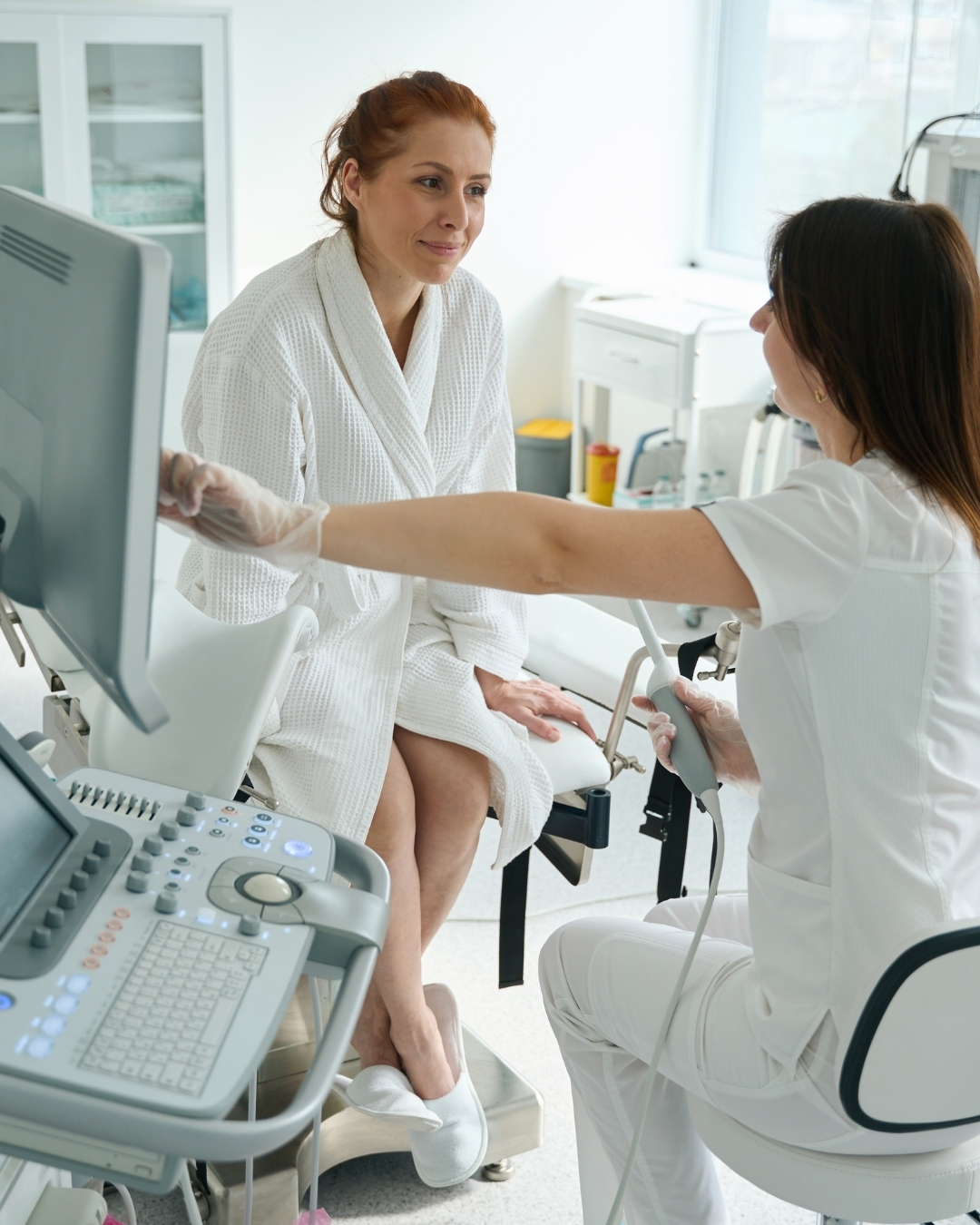
Once your follicles have sufficiently matured, you will have your "trigger shot.” This is medication that will trigger the ovulation process and is administered 34-36 hours before your scheduled retrieval appointment.


First, it’s important to note that you must refrain from food and drink for at least 8-12 hours before your scheduled retrieval.
Beyond that, proper nutrition may improve the quality of your eggs, potentially allowing more to be collected. The Mediterranean diet provides a great baseline, and you should focus on foods rich in antioxidants leading up to your retrieval:
· Nuts provide omega-3 fatty acids and other hormone production-supporting healthy fats
· Eggs provide B vitamins and are a high-quality source of protein
· Berries are rich source of antioxidants and provide
With your final preparations complete, you’ll head into retrieval day knowing exactly what to expect.
· Preparation: Once you arrive at the clinic, you’ll change into a gown and fill out some standard consent forms.
· Anxiety management: To help manage nerves (which is normal to have!), you might be offered a mild anti-anxiety medication such as Ativan.
· Medications: Your nurse will administer an IV with antibiotics and Gravol to prevent infection and manage nausea. These medications can make you feel a bit drowsy – that is to be expected.
· Last Minute Bio Break: Before the procedure, you’ll have the opportunity to use the restroom.
Once in the operating room, you’ll be positioned on table with stirrups and introduced by name to your care team. Generally speaking, an anesthesiologist, technician, and the doctor performing the procedure will be in the room with you.
Operating rooms are kept at cooler temperatures, so a warmed blanket may be provided for your additional comfort.

Your IV will be switched to sedative medications to ensure your comfort during the procedure. Common medications include a combination of Propofol, Fentanyl, and Midazolam. You’ll likely be awake but not alert during the procedure.
The procedure itself is reasonably straightforward and only takes 20-to-30 minutes. A needle-tipped ultrasound wand is inserted through your vagina and guided to each ovary. Follicular fluid is collected from your ovaries – this fluid contains your eggs, which, following the retrieval procedure, will then be examined by embryologists.
The egg retrieval procedure is safe and typically painless under sedation.
After the procedure, you’ll be brought back to the recovery area for about an hour as the medication wears off. Your designated person responsible for picking you up will arrive to take you home to rest. Your nurse will offer you some nutrition and water for energy, along with post- operative care instructions to be shared with your companion
It’s recommended that you try to rest and sleep for the remainder of the day following the procedure.
Once the anesthesia wears off, you’ll be informed of the number of eggs retrieved. The following day, the embryology team will contact you to provide information on the number of eggs that were mature enough to be fertilized.
If your egg retrieval results in fewer eggs than you were hoping for, it can take an emotional toll — make time for self-care and use your support network. You may take comfort in the knowledge that the process can be repeated multiple times, hopefully accumulating enough mature eggs to increase your chances of getting pregnant.

Modern tools like Opal and next generation PGT-A tests like Pixl can help make every egg count by confirming egg and embryo quality that optimizes your chance of a healthy and successful pregnancy.
Your embryo transfer timeline is mostly up to you! It really depends on where you are at in your life, but can be anywhere from a few days to several years.
Fertilize and Freeze: This involves an embryologist fertilizing (usually through ICSI) your retrieved eggs, allowing them to grow to a blastocyst over 5-7 days, and then freezing the embryos. This is a necessary step if you are doing preimplantation genetic testing, such as PGT-A. A frozen embryo transfer (FET) is then performed on a later cycle. The earliest practical window is around 4 weeks after retrieval, but 5-8 weeks is more likely.
Fertilize and Transfer: This is the quickest path to embryo transfer, for people who are actively trying to get pregnant. It involves the egg or eggs being fertilized and then growing the resulting embryo to a blastocyst, typically over about 5 days. After that, they are ready for a fresh embryo transfer.

Whether you are freezing your eggs for use later, or fertilizing them immediately, Opal is a new technology that helps analyze the quality of your retrieved eggs.
Unlike traditional imaging technologies that are unreliable indicators of egg quality, Opal gently interacts with each egg, using a soft, non-invasive touch to help identify those most likely to succeed. This information can help determine which eggs to fertilize and prioritize which ones to implant.
Your period usually returns about 10–14 days after egg retrieval, even if you’ve chosen egg freezing for now and aren’t moving straight into an embryo transfer. It’s common for this first bleed to feel a little heavier or more crampy than usual, as your hormones settle back to their normal rhythm.
Your cycle should even out within a month or two, but if your period hasn’t come after two weeks—or if something doesn’t feel right—your clinic can help you make sure everything’s on track.
The egg retrieval procedure marks a major milestone in your IVF journey – one that combines science, timing, and care. Knowing how to prepare for egg retrieval, what to expect during the procedure, and how to support your body afterwards helps you take an active, informed role in your treatment.
Remember: every cycle teaches your care team more about your body’s unique rhythm. Whether it’s your first retrieval or one of several, being informed is one of the most empowering steps you can take on the path to parenthood.
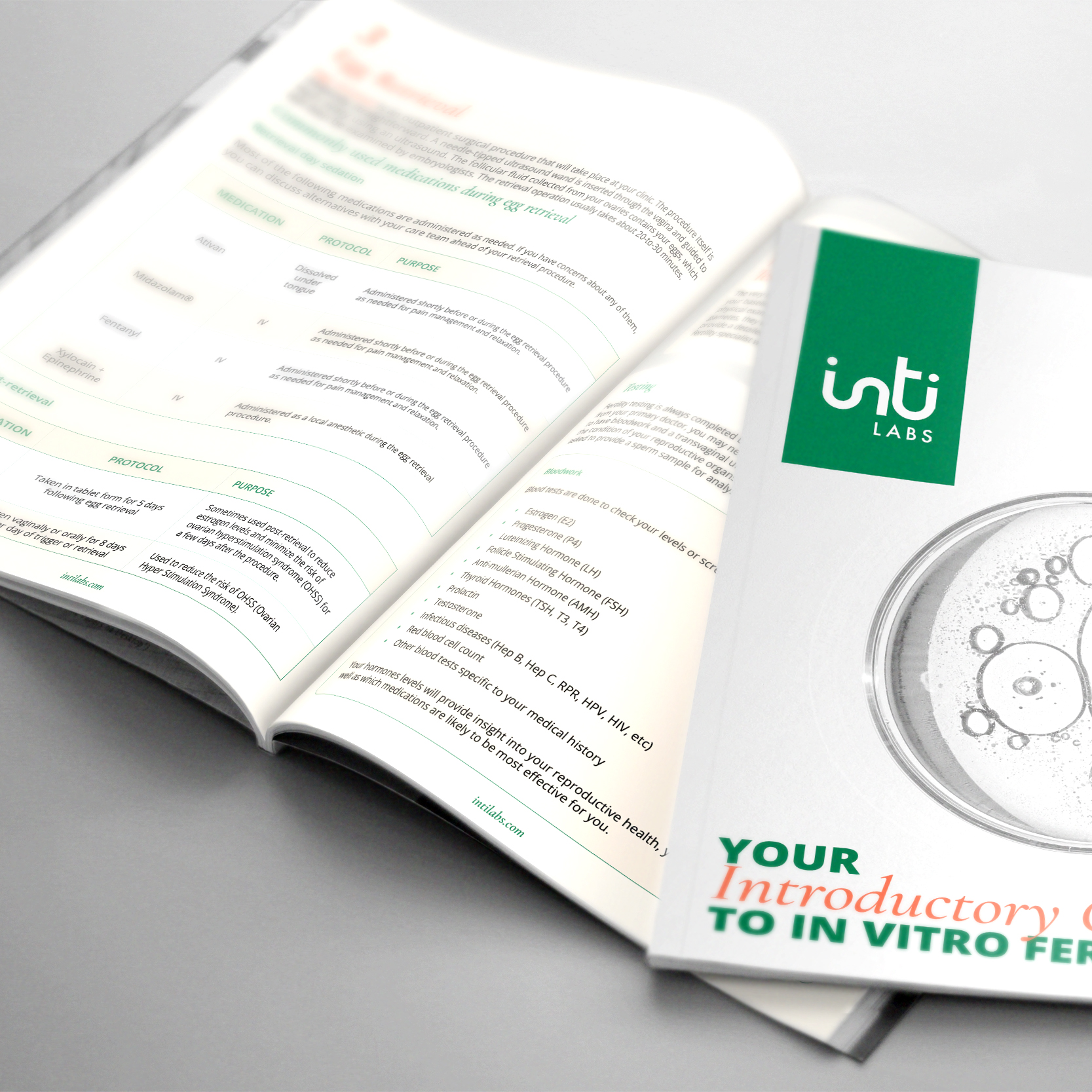
Want to learn more about IVF and what to expect? Read our free Guide to In Vitro Fertilization, includes common medications, questions to ask your doctor at each stage, and even day-by-day sample schedules for egg retrieval and embryo transfer.
Key Takeaways from the Article:
· Your HCG trigger shot is given 34-36 hours before retrieval
· Refrain from eating anything 8-12 hours before retrieval
· The egg retrieval procedure is safe and typically painless under sedation.
· Your period typically returns with 10-14 days after retrieval.