Whether you're freezing for the future or starting IVF, every egg is precious. Opal™ provides a clearer understanding of egg quality — helping guide smarter, more confident decisions at one of the most important moments in your care.
Until now, egg quality has been evaluated mostly by appearance. But appearance doesn’t tell the whole story.
Opal adds another layer of insight with a more systematic and consistent evaluation standard.
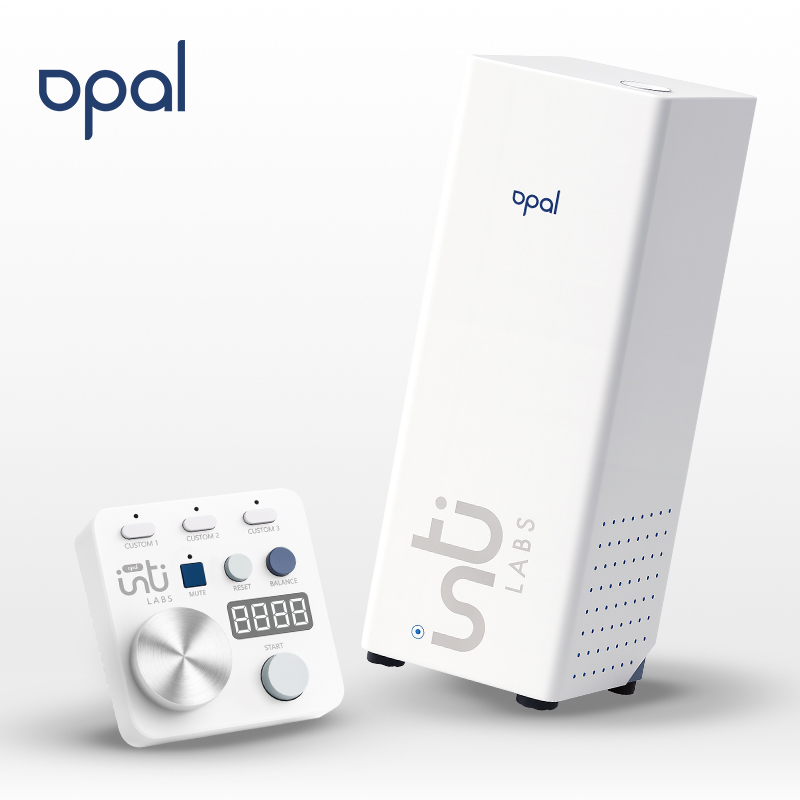
Opal™ is the world’s first device designed to assess egg quality by measuring both:
Using a clinically validated predictive model, Opal assigns each egg a standardized grade: A, B, or C.
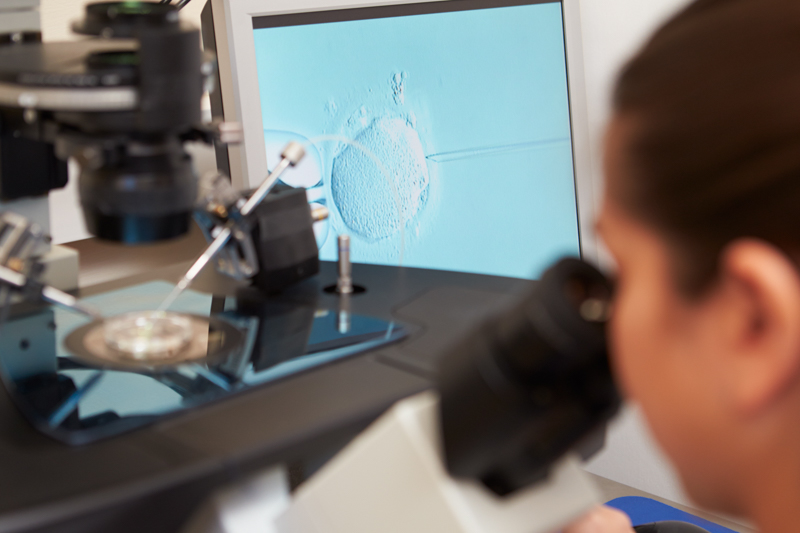
But current methods remain largely subjective, relying heavily on appearance alone.
When the stakes are high, additional objective insight can make a difference.

Opal is used immediately after egg retrieval and before fertilization or freezing. The analysis takes just 5–7 seconds per egg, and is performed entirely by trained embryologists in the lab.
The Process:

After Opal analysis, each egg receives a grade.


Opal then generates a visual report to support clinician–patient discussions and decision-making.
Your doctor interprets these results within your full clinical picture — because no single metric defines your journey.
Used immediately after egg retrieval to help determine whether additional retrieval cycles may be beneficial.
Supports:
• Social freezing
• Fertility preservation
• Egg donation
Can assess:
• Fresh eggs
• Previously frozen eggs after thawing
In regions with fertilization limits or complex cases, Opal supports selection of the eggs with the best potential for becoming healthy blastocysts.
When working with multiple euploid embryos or Day 3 embryos that won't go through PGT-A testing, traceable egg grading may help prioritize embryos for transfer.

A History of Failed Implantation or Miscarriage

Patients with Low AMH

Patients with PMOS
Clinical studies confirm Opal is:
Validated through IRB-approved, multi-center studies and built to strict ethical and data privacy standards.